Fire-Resistant Roofing & Roof Upgrades
The roof is the largest horizontal surface on a home and the most exposed to falling embers. Roofing work for wildfire covers the covering itself, the assembly beneath it and the edges, valleys and penetrations where debris collects.
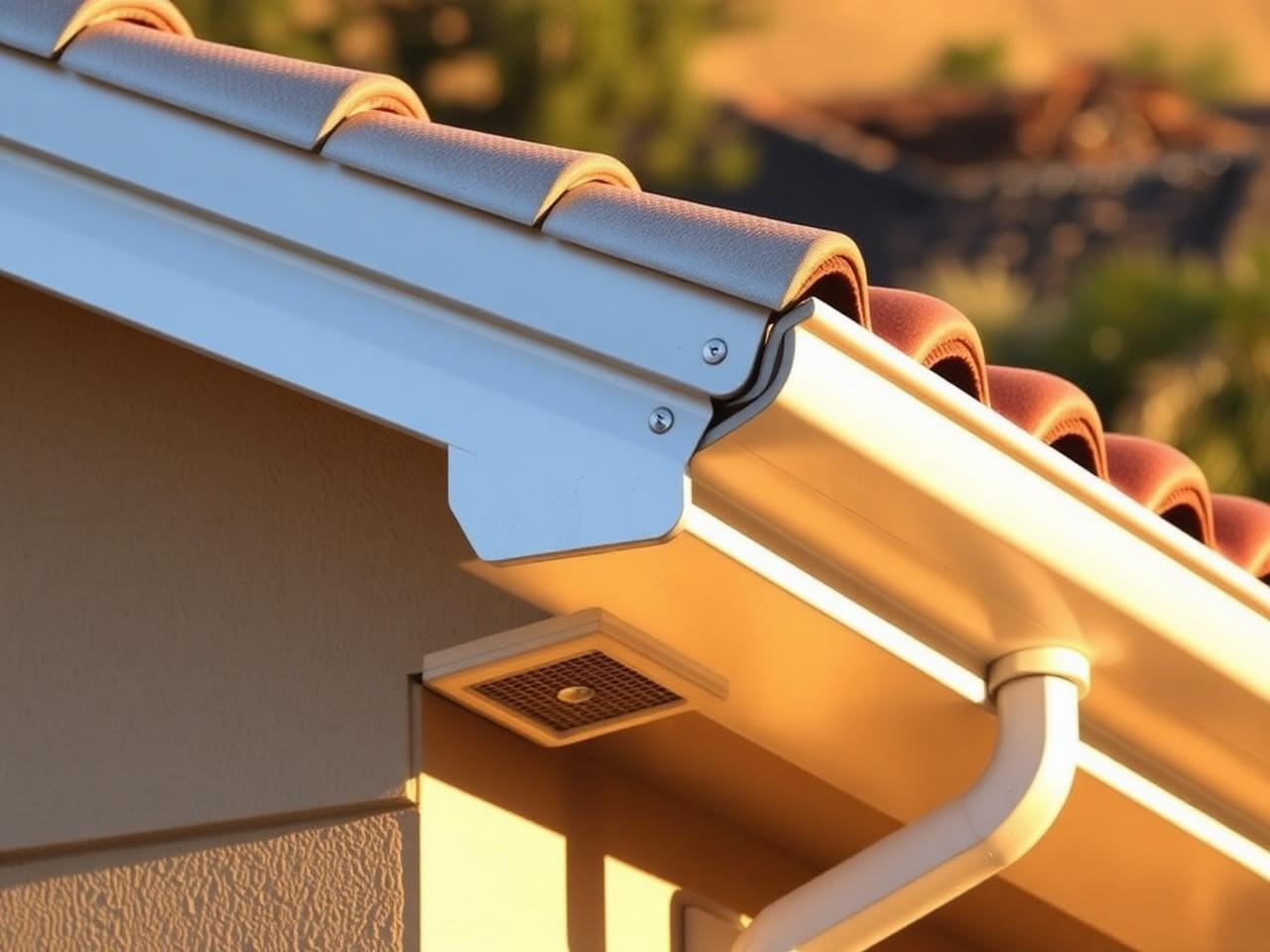
Covering, assembly and details
A fire-rated covering is only part of the picture. Gaps at tile ends, open ridge and eave lines, unsealed penetrations, and debris trapped in valleys can all allow embers past an otherwise sound roof.
- Class A rated roof assemblies
- Bird-stopping and end-closure at tile roofs
- Ember-resistant ridge and eave venting
- Sealing at flashings, skylights and penetrations
- Removal of accumulated needle and leaf debris
When to address roofing
Full roof replacement is one of the larger expenses in a hardening plan. Many homeowners handle the detail work — edges, penetrations, debris and venting — now, and upgrade the covering when the existing roof reaches the end of its service life.
Frequently asked questions
San Diego County service areas
Get a Wildfire Hardening Assessment
Tell us about your property and we'll help connect you with a wildfire home hardening professional serving your area.