Wildfire Home Hardening in San Diego County, CA
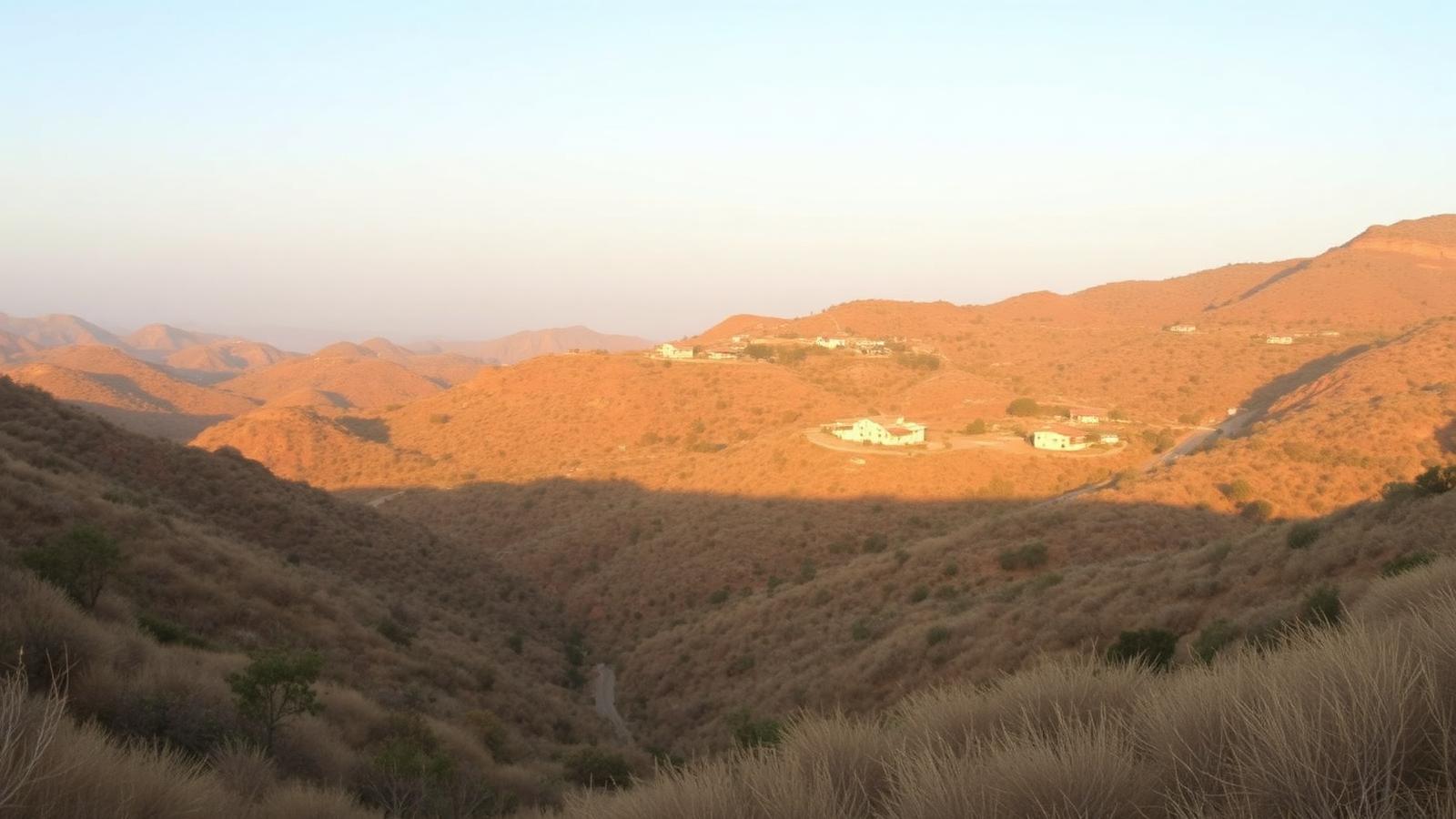
San Diego County combines dense coastal-influenced suburbs with large inland backcountry communities. Many neighborhoods sit directly against chaparral-covered slopes and canyon systems that carry fire quickly under offshore Santa Ana wind conditions.
Local wildfire exposure
The county's inland valleys, canyon rims and backcountry ridgelines are the areas where wind-driven embers and radiant heat most often reach structures. Fall and early winter offshore wind events push fire from east to west, so homes on the east-facing edge of a canyon or valley often face the most direct exposure.
Typical construction in the area
Housing stock ranges from 1960s–1980s ranch homes with open eaves, wood fascia and older vents, to newer stucco-and-tile subdivisions built to more recent standards. Rural backcountry properties frequently include detached shops, barns, wood decks and long driveways with heavy roadside fuels.
Vegetation and fuels
Chamise and mixed chaparral, coastal sage scrub, eucalyptus windrows, ornamental junipers and mature oaks are common. Older ornamental plantings placed directly against foundations are one of the most frequent findings during a home assessment.
Common vulnerabilities we see
- Unscreened or coarse-mesh attic, gable and crawlspace vents
- Open eaves and exposed rafter tails on older ranch homes
- Wood fences attached directly to the structure
- Combustible mulch and shrubs within the first five feet
- Debris accumulation in gutters and roof valleys under mature trees
Frequently asked questions
Communities in San Diego County
Homeowner guides
San Diego Home Hardening Pros is a contractor-matching and lead-generation service. We are not a government agency, insurance company, fire department, or wildfire safety certification organization. Availability of professionals and services varies by location.
Services requested in San Diego County
Projects usually span several trades. We help homeowners get connected with professionals in the categories their property actually needs.
Wildfire Home Hardening
Improve the exterior components most likely to be ignited by embers and radiant heat.
Learn moreWildfire Home Assessment
Identify vulnerable areas around the home and prioritize improvements.
Learn moreEmber-Resistant Vents
Help reduce ember intrusion through attic, crawlspace, soffit and gable vents.
Learn moreDefensible Space
Reduce combustible vegetation and fuel near structures.
Learn moreZone Zero Improvements
Reduce combustible materials in the immediate area around the home.
Learn moreRoofing
Improve vulnerable roofing and roof-edge components.
Learn moreSiding
Upgrade combustible exterior materials where appropriate.
Learn moreWindows
Improve vulnerable glazing and window assemblies.
Learn moreDecks & Fencing
Reduce combustible attachments and pathways leading toward the home.
Learn moreEaves & Soffits
Address gaps, exposed rafters and other vulnerable areas.
Learn moreGet a Wildfire Hardening Assessment
Tell us about your property and we'll help connect you with a wildfire home hardening professional serving your area.