Wildfire Home Hardening in Los Angeles County, CA
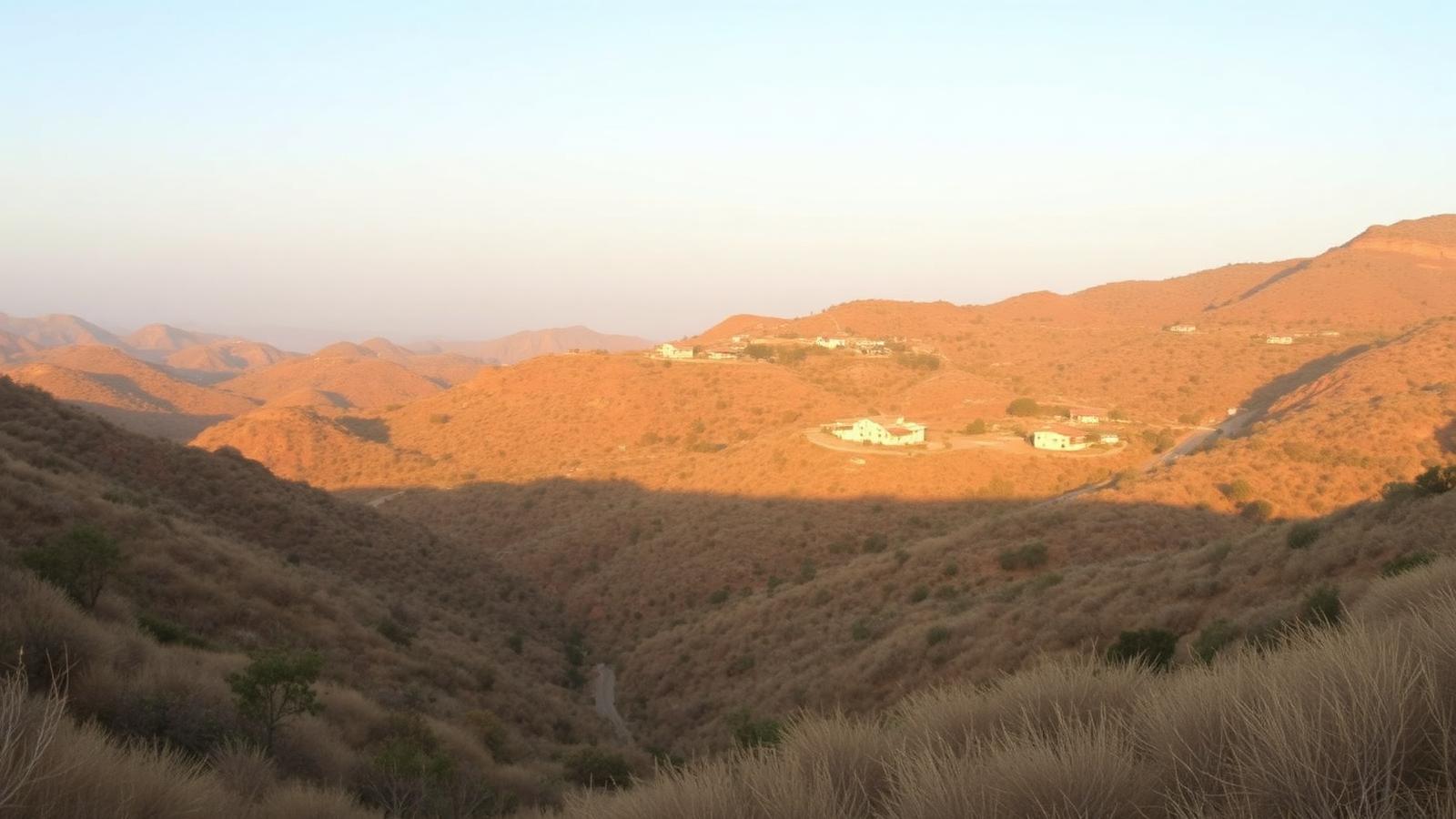
Los Angeles County contains some of the most wind-exposed wildland-urban interface neighborhoods in the country, from the Santa Monica Mountains to the San Gabriel foothills and the Santa Clarita Valley.
Local wildfire exposure
Santa Ana winds moving through canyons and passes are the dominant driver. Long-distance ember transport is a defining characteristic of the county's fire history, which is why exterior detail work matters even for homes set back from the wildland edge.
Typical construction in the area
The mix ranges from mid-century canyon homes with wood siding and post-and-beam decks, to hillside contemporaries with large glazing areas, to newer foothill subdivisions built to more current standards.
Vegetation and fuels
Coastal sage scrub, chaparral, eucalyptus, palms, pines and dense ornamental landscaping. Steep, narrow canyon lots frequently leave little room between vegetation and structure.
Common vulnerabilities we see
- Large single-pane glazing exposed to slope
- Wood decks and stairs on steep hillside lots
- Under-deck storage and enclosed combustible areas
- Palm and eucalyptus litter on roofs and in gutters
- Long, narrow access roads limiting on-site work windows
Communities in Los Angeles County
San Diego Home Hardening Pros is a contractor-matching and lead-generation service. We are not a government agency, insurance company, fire department, or wildfire safety certification organization. Availability of professionals and services varies by location.
Services requested in Los Angeles County
Projects usually span several trades. We help homeowners get connected with professionals in the categories their property actually needs.
Wildfire Home Hardening
Improve the exterior components most likely to be ignited by embers and radiant heat.
Learn moreWildfire Home Assessment
Identify vulnerable areas around the home and prioritize improvements.
Learn moreEmber-Resistant Vents
Help reduce ember intrusion through attic, crawlspace, soffit and gable vents.
Learn moreDefensible Space
Reduce combustible vegetation and fuel near structures.
Learn moreZone Zero Improvements
Reduce combustible materials in the immediate area around the home.
Learn moreRoofing
Improve vulnerable roofing and roof-edge components.
Learn moreSiding
Upgrade combustible exterior materials where appropriate.
Learn moreWindows
Improve vulnerable glazing and window assemblies.
Learn moreDecks & Fencing
Reduce combustible attachments and pathways leading toward the home.
Learn moreEaves & Soffits
Address gaps, exposed rafters and other vulnerable areas.
Learn moreGet a Wildfire Hardening Assessment
Tell us about your property and we'll help connect you with a wildfire home hardening professional serving your area.